
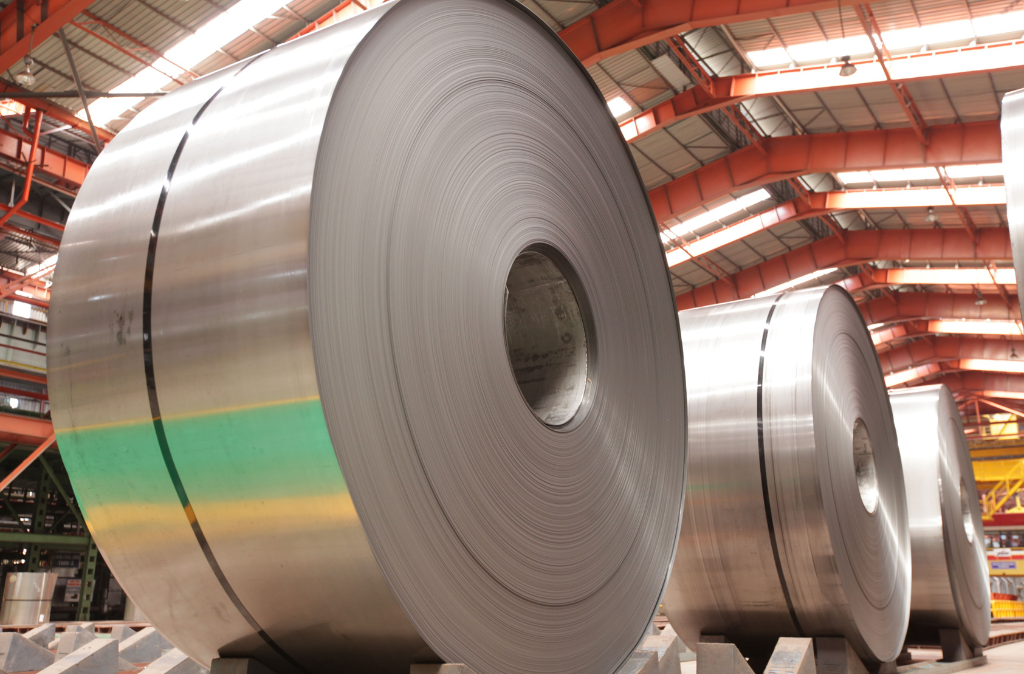
In a city like Birmingham, AL, where construction, manufacturing, and infrastructure development continue to grow, steel plays a critical role in nearly every project. However, many business owners, contractors, and project managers often confuse steel fabrication with steel distribution. While both are essential parts of the steel supply chain, they serve very different purposes.
Understanding how these services differ, and when to use each, can help you make smarter decisions, control costs, and keep your project on schedule. Whether you are building a commercial structure, managing an industrial upgrade, or sourcing materials for a smaller job, knowing the distinction is key to success.
What Is Steel Distribution
Steel distribution focuses on supplying raw or semi processed steel materials to businesses and contractors. Distributors act as the bridge between steel mills and end users, ensuring that materials are available when and where they are needed.
In most cases, steel is produced in large quantities at mills, then sent to service centers or distributors who store and sell it in manageable amounts. This allows businesses to avoid purchasing more steel than they need or maintaining large inventories.
The Role Of Steel Distributors
Steel distributors are primarily responsible for logistics, inventory management, and timely delivery. Their goal is to provide quick access to standard steel products such as beams, plates, pipes, and sheets.
Because of this, distribution is typically the fastest way to obtain steel. Projects that require standard materials and tight timelines often benefit from working with a distributor.
Benefits Of Steel Distribution
One of the biggest advantages of steel distribution is efficiency. Contractors can get materials quickly, reducing downtime and keeping projects moving forward. Additionally, distributors often offer competitive pricing due to their large scale purchasing power.
Another key benefit is flexibility. Businesses can order only what they need, when they need it, rather than committing to bulk purchases from a manufacturer. This is especially valuable for small to mid sized projects in Birmingham’s growing commercial and industrial sectors.
What Is Steel Fabrication
Steel fabrication, on the other hand, goes beyond supplying materials. It involves transforming raw steel into custom components that are ready for installation or assembly.
Fabrication includes processes such as cutting, bending, welding, and assembling steel into specific shapes and structures. These components are typically designed according to engineering plans and tailored to meet the exact requirements of a project.
The Role Of Steel Fabricators
Fabricators take the materials supplied by distributors or manufacturers and turn them into finished products. These may include structural beams, columns, frames, platforms, or specialized industrial components.
Unlike distribution, fabrication is highly customized. Each project may require unique specifications, which means fabrication often involves detailed planning, precision engineering, and skilled craftsmanship.
Benefits Of Steel Fabrication
The primary advantage of fabrication is customization. Projects that require unique designs, complex structures, or precise measurements depend on fabrication to bring those plans to life.
Fabrication can also improve efficiency during construction. Prefabricated components arrive ready to install, which reduces on site labor and speeds up the building process.
Additionally, fabricated steel components are built to exact specifications, ensuring better structural integrity and long term performance.
Key Differences Between Fabrication And Distribution
While both services are essential, the difference between steel fabrication and steel distribution comes down to purpose, process, and application.
Steel distribution is focused on supplying materials quickly and efficiently. It is ideal for projects that use standard steel products and require fast turnaround times.
Steel fabrication, by contrast, is centered on customization. It transforms raw materials into finished components tailored to specific project needs.
In simple terms, distribution delivers the steel, while fabrication shapes it into something usable.
Another key difference is cost and timeline. Distribution is typically more cost effective and faster, while fabrication may require more time and investment due to its customized nature. However, the added precision and reduced installation time often offset these factors.
How They Work Together In The Steel Supply Chain
Rather than competing services, steel distribution and fabrication work together as part of a larger supply chain.
Steel is first produced at mills, then distributed to service centers or suppliers. From there, fabricators use those materials to create custom components that are installed on site.
This collaboration ensures that projects have both the materials and the specialized components needed to succeed. In many cases, businesses in Birmingham rely on both services for a single project.
For example, a construction company may source standard beams and sheets through a distributor, while also working with a fabricator to produce custom supports or structural elements.
Choosing The Right Solution For Your Project
Selecting between steel fabrication and steel distribution depends largely on your project requirements.
If your project involves standard materials, tight deadlines, or budget constraints, distribution is often the best choice. It provides fast access to steel without the added time or cost of customization.
However, if your project requires precise engineering, unique designs, or specialized components, fabrication is essential. It ensures that every piece fits perfectly and meets the structural demands of the project.
In many cases, the best solution is a combination of both. By leveraging distribution for raw materials and fabrication for custom elements, you can achieve a balance of efficiency, cost effectiveness, and quality.
Why This Matters In Birmingham, AL
Birmingham has long been known as a hub for steel and industrial development. Today, the city continues to see growth in construction, manufacturing, and infrastructure projects.
With this demand comes the need for reliable steel solutions. Understanding the difference between fabrication and distribution allows businesses in Birmingham to make informed decisions, avoid delays, and optimize their operations.
Working with a trusted steel partner ensures that you have access to both high quality materials and expert fabrication services when needed.
Partner With KGS Steel For Your Next Project
Whether you need fast access to steel materials or custom fabricated components, choosing the right partner makes all the difference. KGS Steel provides dependable steel distribution and fabrication solutions to support projects across Birmingham and beyond.
If you are planning your next project and want to ensure quality, efficiency, and expert support, visit https://kgssteel.com/ to explore their full range of services and get started today.



